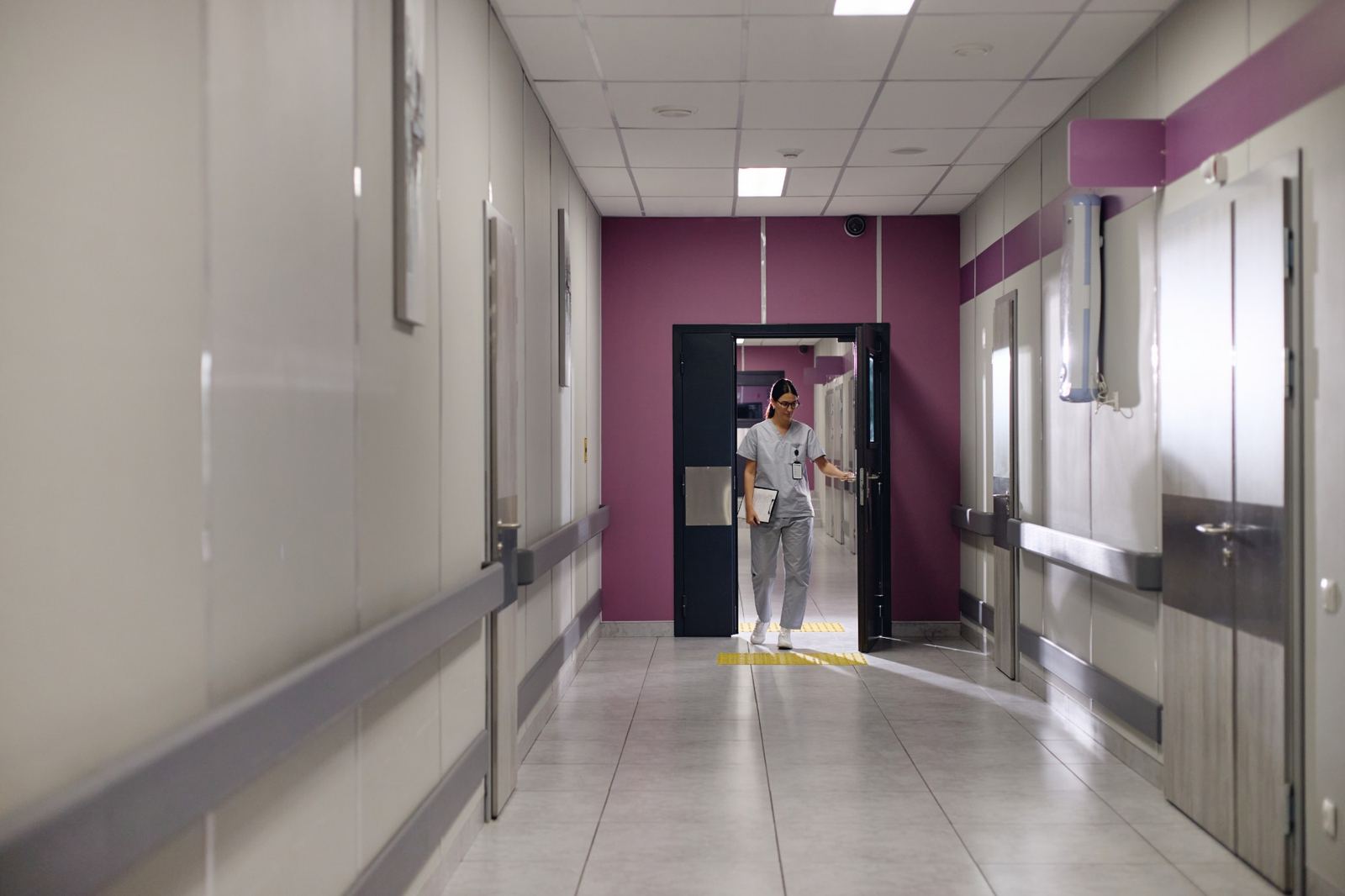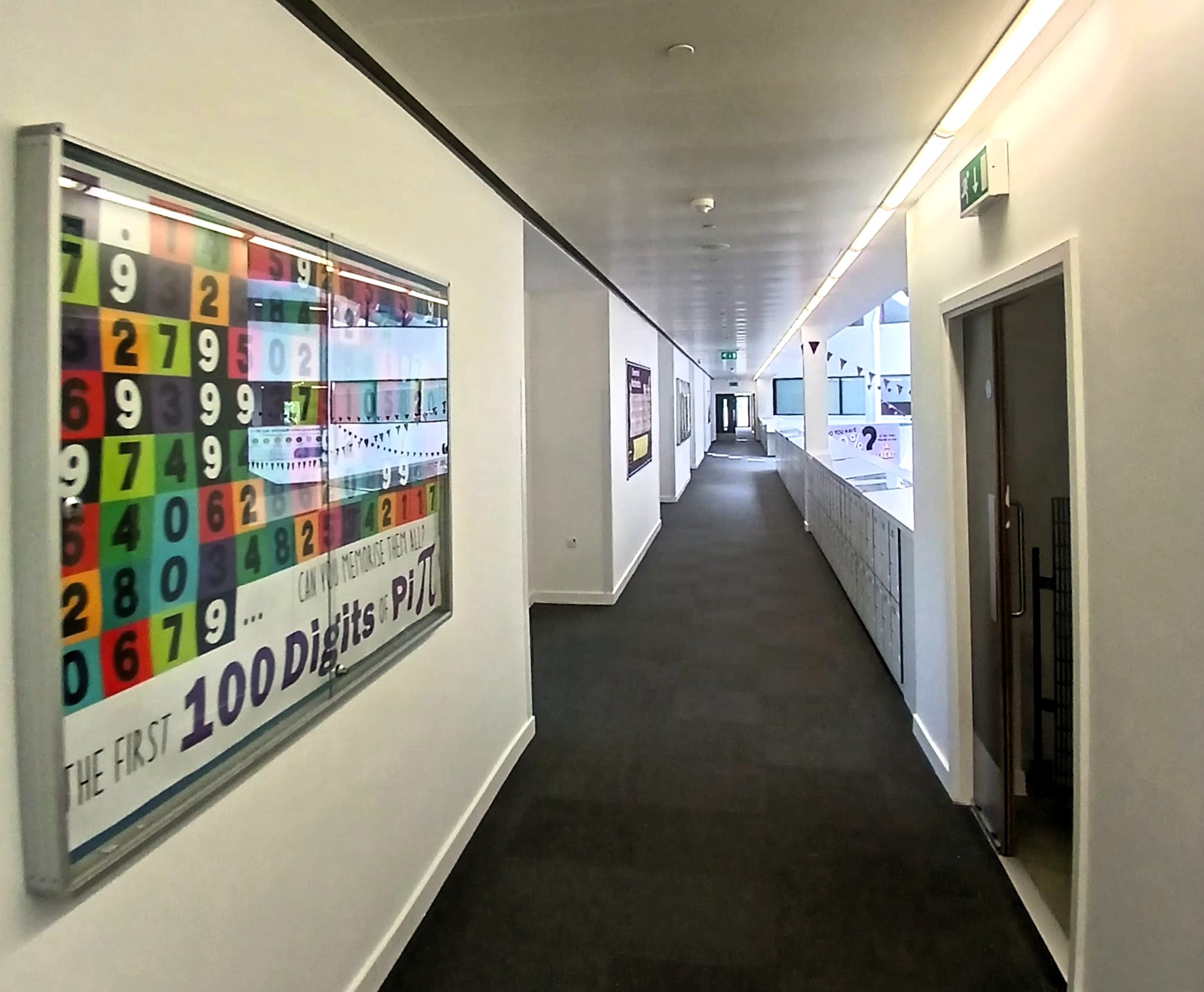
A hospital doesn't close for decorating. Wards stay open, corridors carry patients all day, and the people in the building are often the most vulnerable you'll ever work around.
That's why the painting is the smaller part of a hospital programme. We've worked at Leeds General Infirmary for more than ten years, alongside St James's and Chapel Allerton (see our Leeds Teaching Hospitals case study) and Doncaster Royal Infirmary. On every one of those programmes, most of the work happens before anyone opens a tin.
Here's what changes when the building can't close.
Clinical areas are released when the clinical teams can release them, not when a contractor would like them.
On our Leeds hospital work, that means a mix of night shifts and day work, with each area scheduled around ward activity, cleaning and patient movement. The programme gets built backwards from those windows.
Areas are phased so a ward never loses more space than it can manage without, and a corridor never closes when it's the only route between departments. It's a very different way of planning from a standard commercial job, and it's the part that decides whether the programme works.
Hospital surfaces get cleaned hard and often.
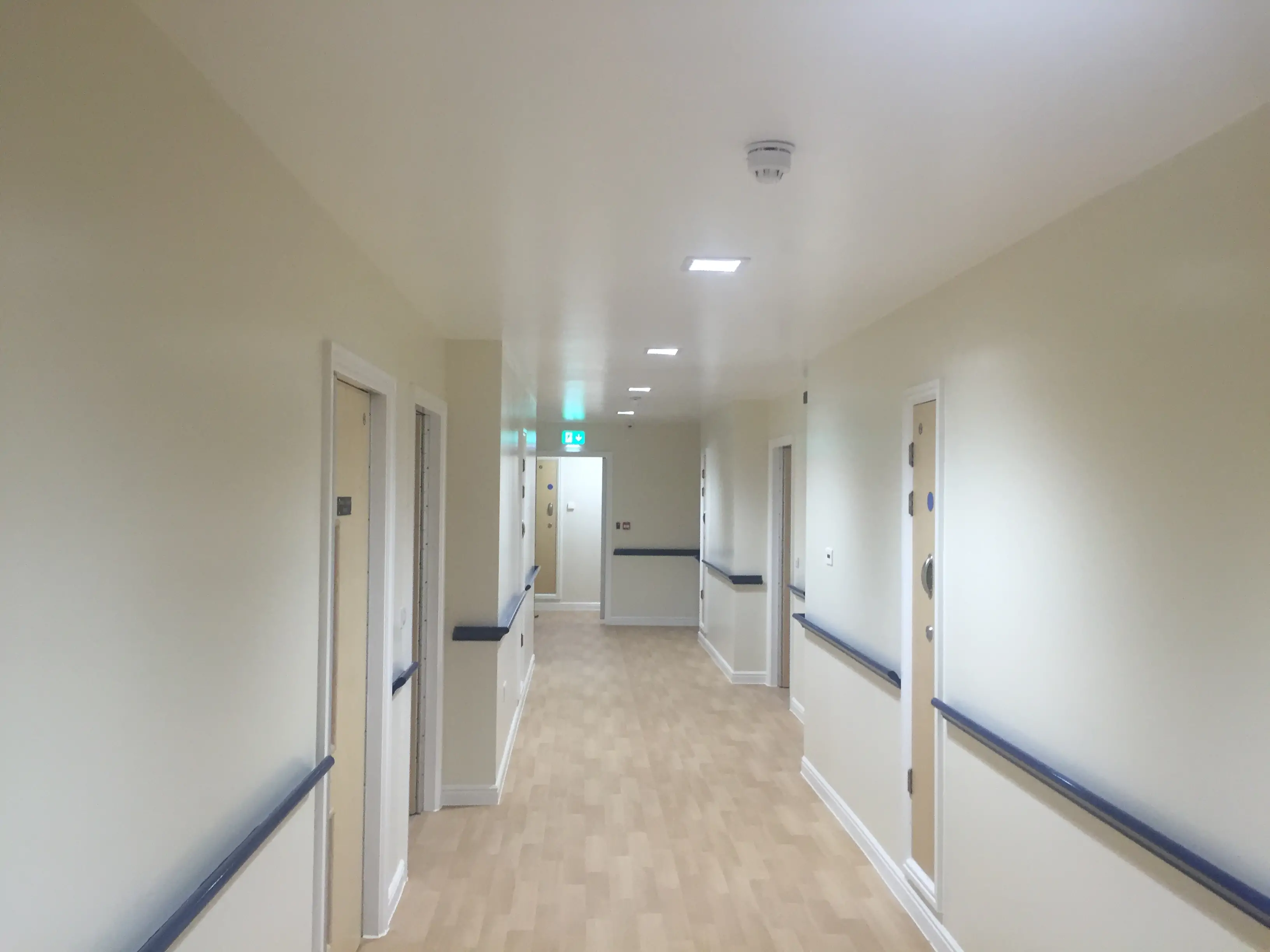
Paint that marks, scuffs or breaks down under cleaning products quickly becomes an infection control problem. So we specify clinical paints and washable finishes throughout, with anti-microbial coatings where the area needs them.
It's worth settling that at tender stage. A cheaper finish that can't be cleaned properly costs more in the second year than it saved in the first.
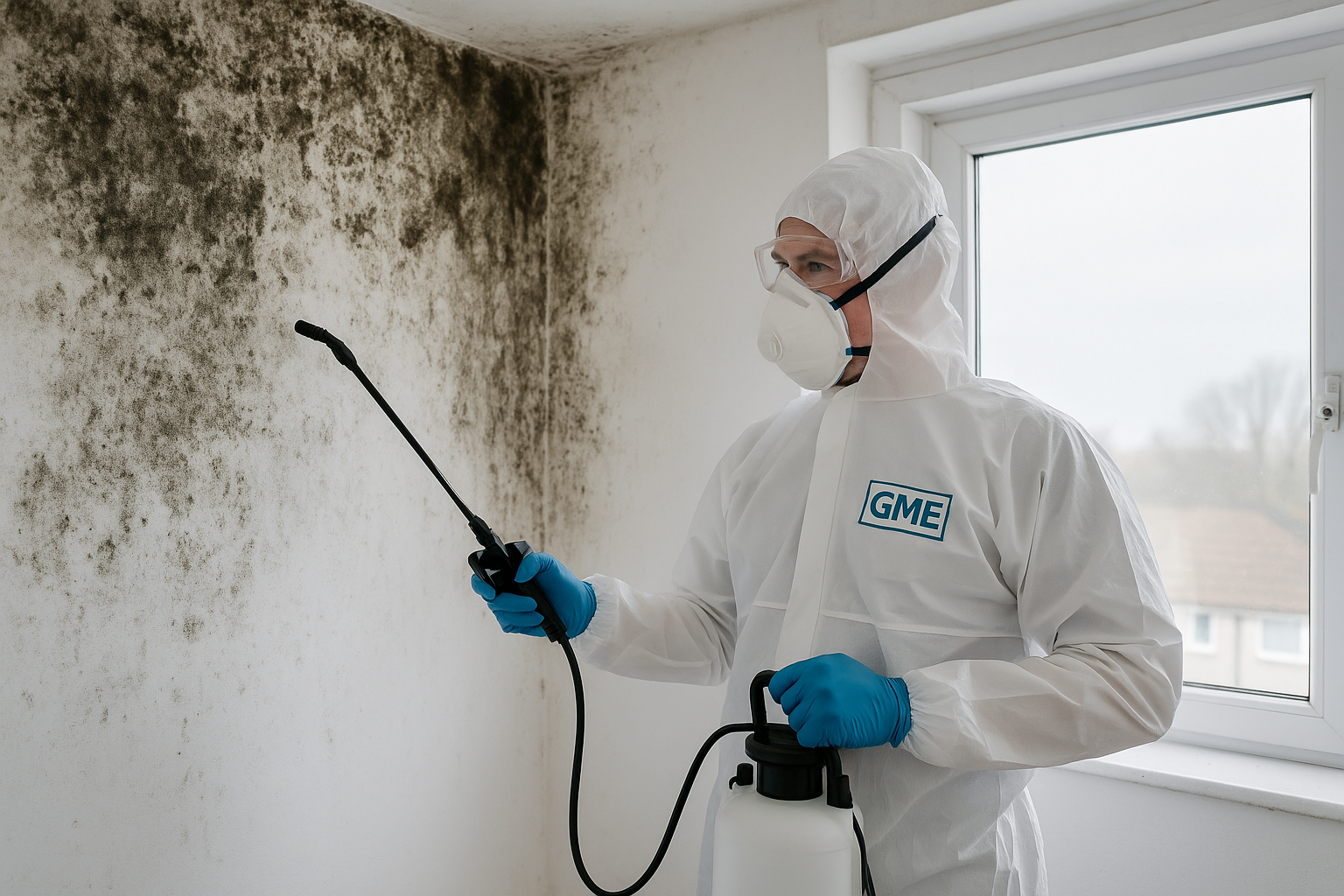
In most buildings, clean working is good manners. In a clinical area it's patient safety.
Dust, fumes, trailing leads and blocked routes all get planned out before the first shift rather than dealt with on it. In practice, that means:
Our operatives are DBS-checked and used to working around patients, visitors and clinical staff. Just as importantly, they know when to stop and step aside.
Some of the work goes beyond paint. Our Leeds scope has included security fencing on a children's ward, and in any paediatric area, safeguarding decides who is on site and when.
That isn't something a contractor can work out on the day. It needs agreeing with the ward team before anyone arrives, and planning around their routine rather than ours.
If you're appointing a decorating contractor for a clinical site, a few questions will tell you a lot:
The answers tell you quickly whether they've done this before.
If those questions are going into a tender, our guide to what commissioners really score in a commercial painting tender covers what tends to separate the strongest submissions.
Planning maintenance on a healthcare estate? Call us on 01924 723723, email enquiries@gmegroup.co.uk or get in touch here and we'll be happy to talk it through. You can also read more about our healthcare work.
Planning decorating or maintenance on a live healthcare estate? Get in touch with GME Group and we'll talk through access, finishes and programming with you.
01924 723723Get a quotePlanning decorating or maintenance on a live healthcare estate? Get in touch with GME Group and we'll talk through access, finishes and programming with you.
01924 723723Get a quote
Mr Samuel David Peel, trading as CP Business Finance (FRN: 1034961), is an appointed representative of White Rose Finance Group Limited (FRN: 630772), which is directly authorised and regulated by the Financial Conduct Authority. CP Business Finance acts as a credit broker, not a lender. Please consider borrowing decisions carefully — property or other assets offered as security may be at risk if you cannot keep up with repayments.