After years of working alongside councils and housing associations across the north of England, the GME team has treated mould in over 10,000 tenanted properties. Here's what that experience has taught us.
You might expect every mould case to be different. And the details vary, of course. But after thousands of inspections, clear patterns emerge.
The most common cause we see is poor ventilation combined with everyday moisture. Cooking, showering, drying clothes indoors and even just breathing can release over 20 pints of water vapour into a home every day. In properties with inadequate airflow, that moisture settles on cold surfaces and creates the conditions mould needs to thrive.
Older housing stock makes this worse.
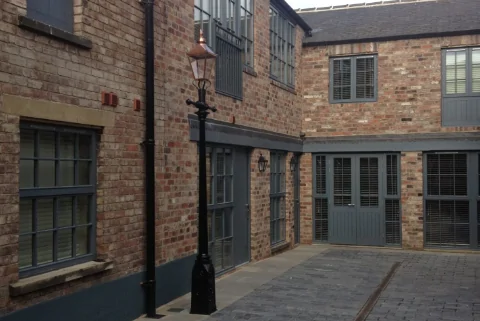
Many social homes in the UK were built long before modern ventilation standards existed. Single-skin walls, blocked-up air bricks, removed chimneys and outdated extractor fans all contribute to moisture building up with nowhere to go.
And then there are structural issues. Rising damp, penetrating damp from failing gutters or pointing, and cold bridging around window reveals are all regular findings during our site assessments.
This is probably the single biggest lesson from our work. Wiping mould off a wall and painting over it might look like a fix. It isn't. If the underlying moisture problem stays, the mould comes back, usually within weeks.
We see this repeatedly in properties where previous contractors have applied a mould wash and a fresh coat of paint without investigating the cause. The tenant puts up with a few months of clean-looking walls, then rings the housing team again to report the same problem.
That cycle is frustrating for tenants, expensive for housing providers and now, under Awaab's Law, it carries real regulatory risk. Since October 2025, social landlords must investigate damp and mould reports within 10 working days and begin remediation within five. Repeat failures don't look good when the regulator comes knocking.
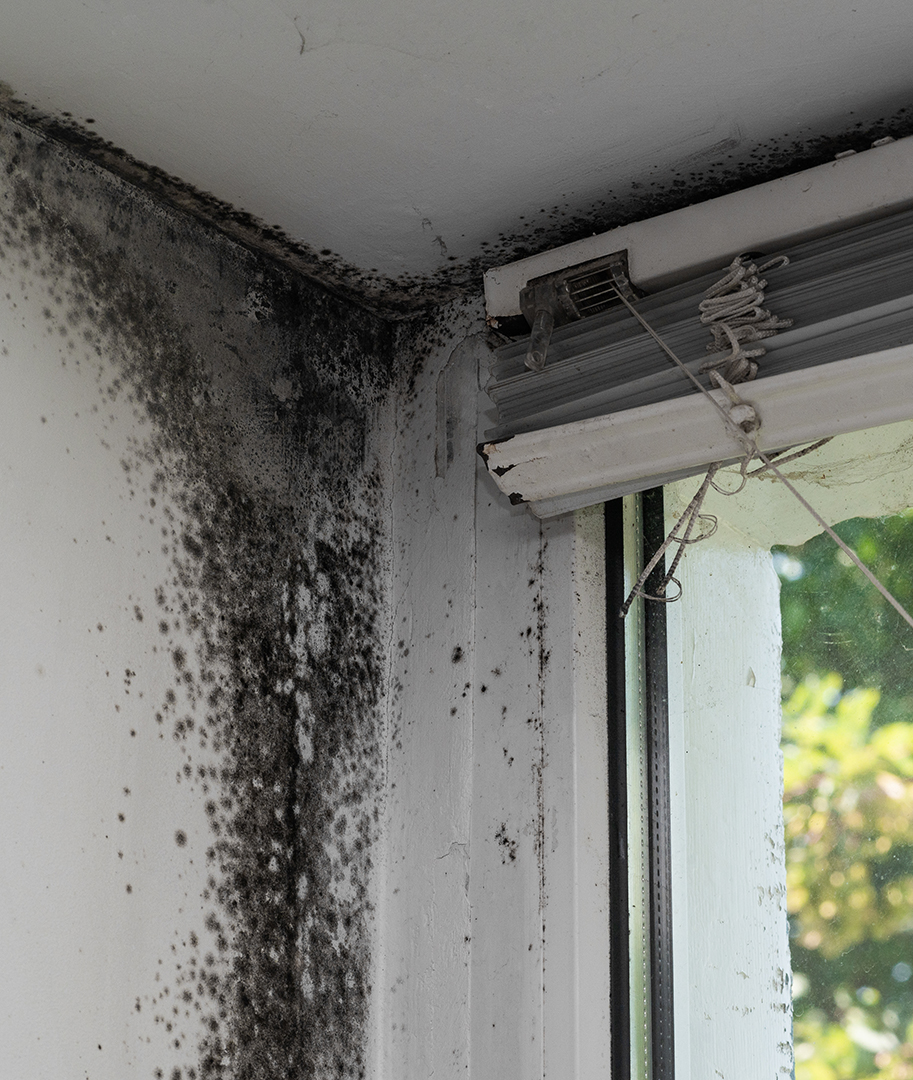
Every property we treat starts with a full site assessment to identify the root cause. That assessment shapes the treatment plan, because the right solution depends entirely on what's driving the moisture.
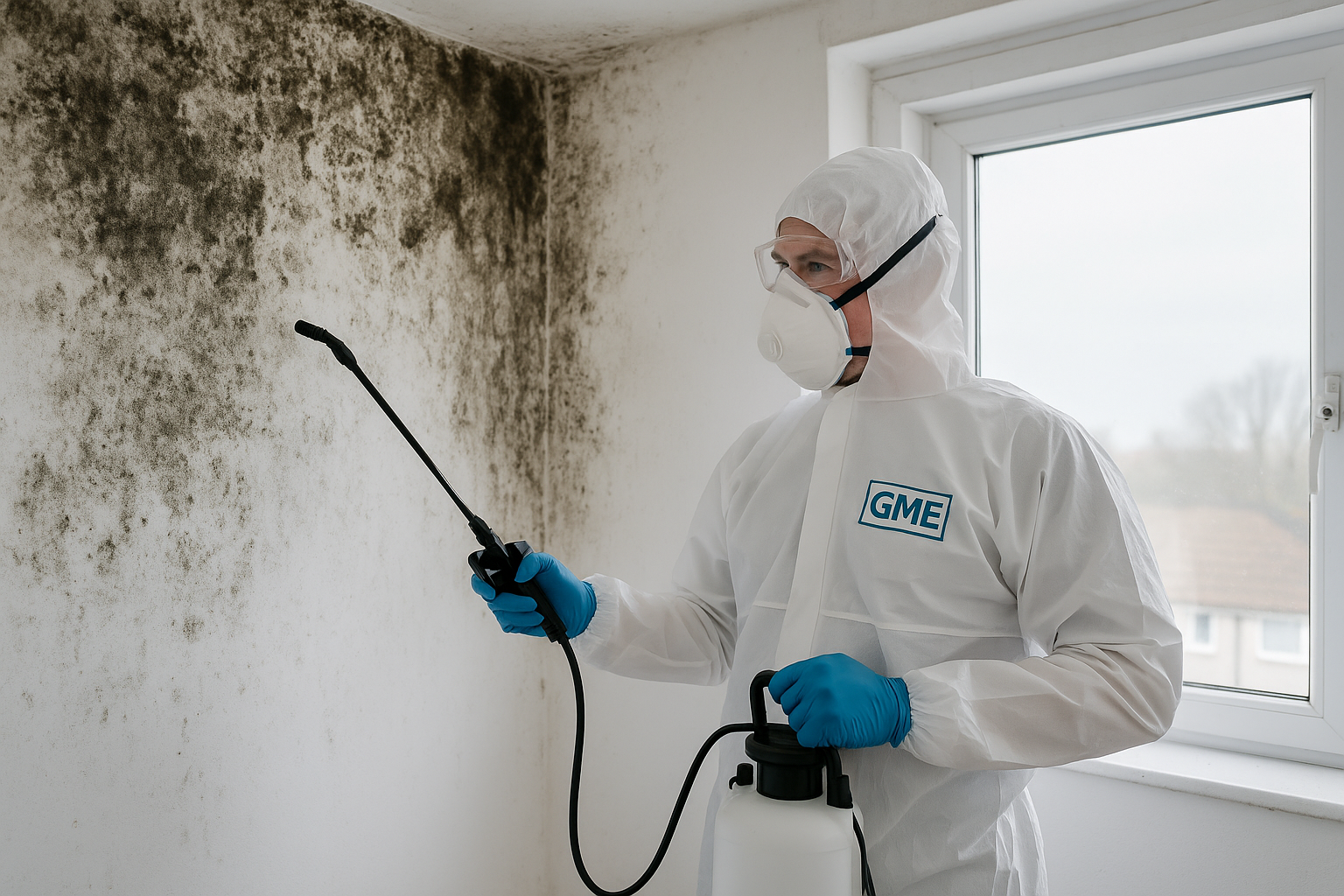
For condensation-related mould, we combine anti-fungal surface treatment with ventilation improvements that address the airflow problem at source. For damp-related mould, we carry out targeted damp proofing alongside the mould treatment to prevent reoccurrence.
We also photograph and document every stage of the work. For housing providers managing hundreds or thousands of properties, that audit trail is essential for compliance reporting and Ombudsman enquiries.
Something that doesn't get talked about enough in this sector is the sensitivity required when treating mould in occupied homes.
Many of the tenants we work with are elderly, have long-term health conditions or are living in difficult circumstances. Some have been reporting mould problems for months or even years before a contractor arrives. They're often frustrated, sometimes anxious and understandably sceptical that this time will be any different.
Our team is trained to work with vulnerable residents. That means explaining clearly what we're doing and why, keeping disruption to a minimum, leaving properties clean and tidy, and treating every person's home with respect. It sounds basic, but feedback from housing officers tells us it makes a genuine difference to tenant satisfaction and complaint rates.
The pressure on housing providers isn't going to ease. Awaab's Law will expand to cover more hazard categories in 2026 and 2027, and tenant expectations around response times are only increasing.
If your housing stock has a backlog of mould cases, or you're finding that treated properties keep coming back onto your repairs list, it's worth having a conversation about a different approach.
We have delivered more than 40,000 mould treatments over the years for the various local authorities, ALMOs and housing associations we work with, including Leeds City Council, Kirklees Council, Berneslai Homes, Be One Homes and MSV Homes.
To talk to the GME team about your mould eradication requirements, call us on 01924 723723, email enquiries@gmepaintingcontractors.co.uk or fill in the form below. You can also find out more about our work in the social housing and local authority sectors.

Mr Samuel David Peel, trading as CP Business Finance (FRN: 1034961), is an appointed representative of White Rose Finance Group Limited (FRN: 630772), which is directly authorised and regulated by the Financial Conduct Authority. CP Business Finance acts as a credit broker, not a lender. Please consider borrowing decisions carefully — property or other assets offered as security may be at risk if you cannot keep up with repayments.