Since October last year, landlords have been working to a statutory clock on damp and mould. On 30 November 2026, that clock starts covering a lot more of the building.
The government confirmed the date in July. Phase 2 of Awaab's Law extends the same investigation and repair timescales to a much wider list of hazards, and the timescales themselves don't change.
If you built a proper process for Phase 1, most of the work is already done. If you didn't, there's still time to get it right before winter... but not much.
From 30 November 2026, Awaab's Law covers the following hazards wherever they present a significant risk of harm to a tenant:
Phase 3 will then extend the rules to every remaining hazard in the Housing Health and Safety Rating System apart from overcrowding. No date has been set for that yet.
The clock is the clock. Significant hazards still need investigating within 10 working days, and emergencies still need dealing with inside 24 hours. The tenant still gets a written summary once the investigation is done.
If the safety work can't be completed in time, the landlord still owes the tenant suitable alternative accommodation.
That's good news for any landlord who treated Phase 1 as a system rather than a one-off. Triage, fast investigation, written summaries and a clear record against every property are the template. Phase 2 simply widens what goes through it.
Excess cold is the one I'd watch hardest this winter.
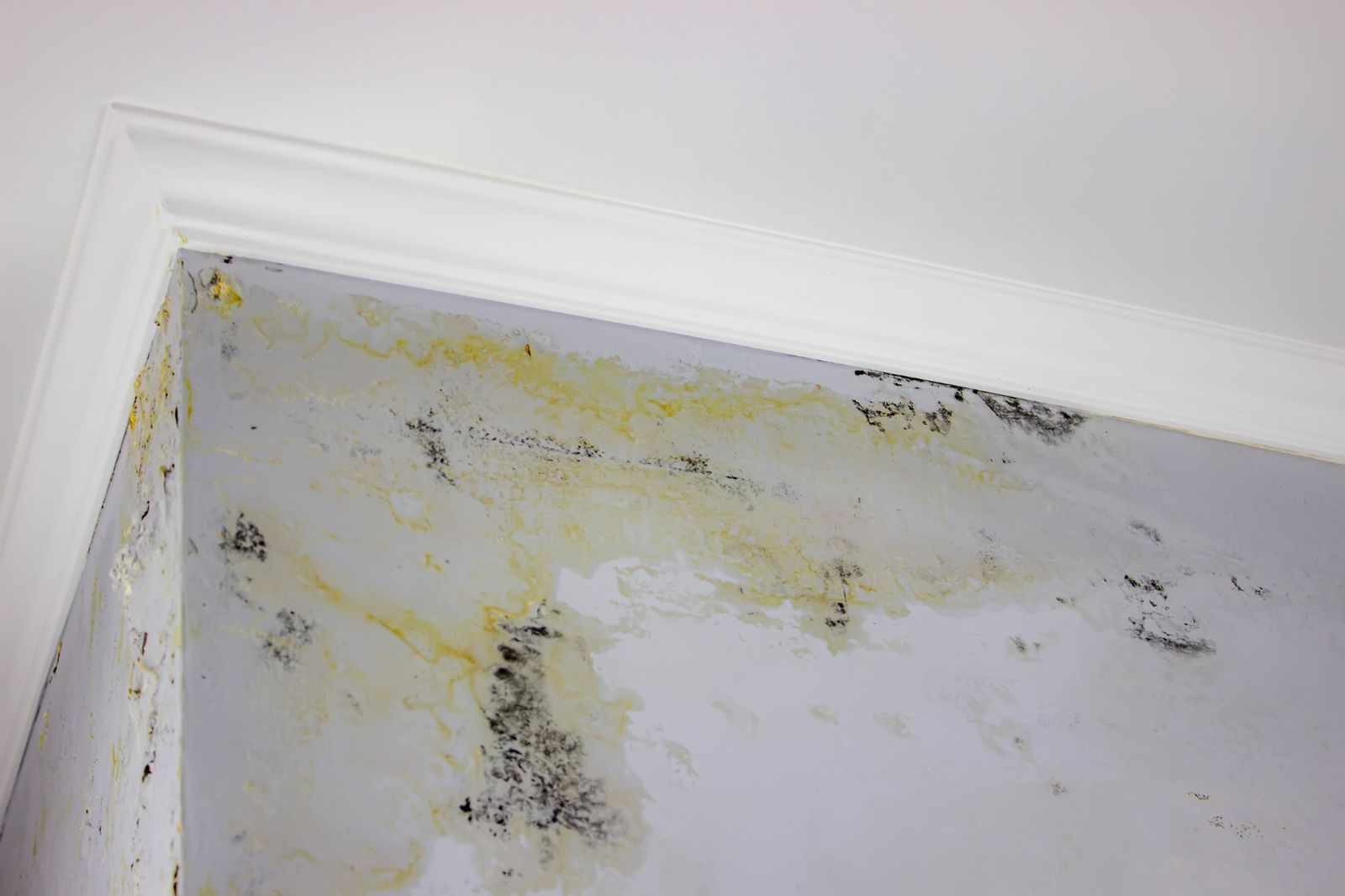
Warm, moist air condenses on cold walls and window reveals, and that's where mould starts. It means a property reported for mould this winter may well be an excess cold case too.
That changes the brief for surveyors. Someone sent to look at a black patch in a bedroom corner should be noting the heating, the insulation and the ventilation while they're there, because those findings now carry statutory weight of their own.
Insulation and ventilation are often part of the fix for both problems, and both sit within our loft and ventilation service.
Run your Phase 1 process against the new list. Take the hazards above and see where your process breaks. Most of the gaps we see are in triage. A report that arrives as "flat's freezing" or "stair rail's loose" can sit in a general repairs queue for days before anyone treats it as a hazard, and under Phase 2 those are days you don't have.
Check your contractor chain. More hazard types means more trades, and every handover between them eats into the clock. The fewer contractors a single property needs, the fewer places a job can stall.
Brief your surveyors properly. If they're going out to damp and mould reports, make sure they know what else they're now looking for.
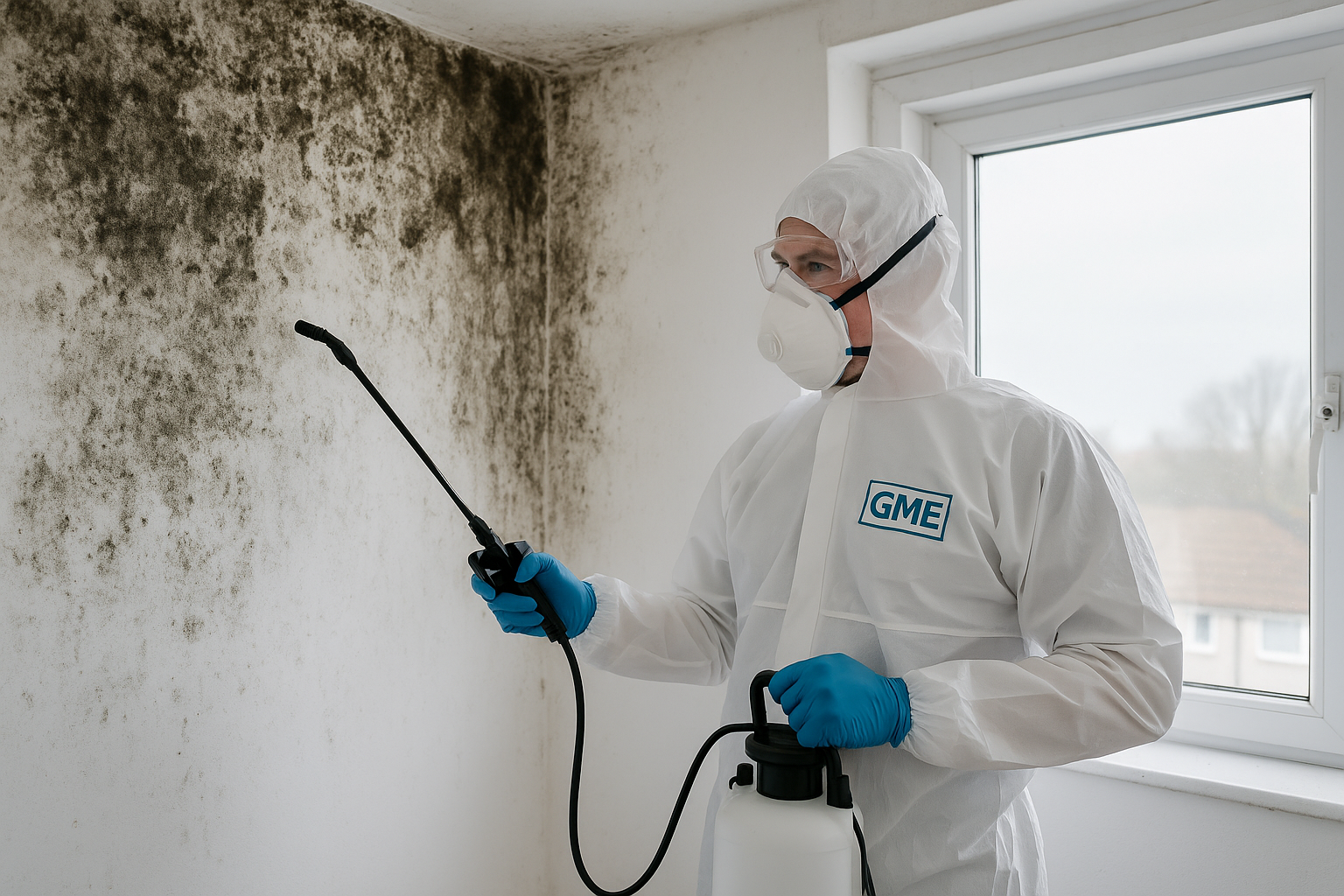
Our responsive repairs team works with social landlords and councils across damp and mould, carpentry and joinery, plastering, external works and general maintenance. That means one contractor can pick up most of what a Phase 2 report throws at a property, without a queue of handovers.
We work with housing associations and local authorities across the social housing sector, and we're happy to talk through how your process holds up against the new list.
Want to check your process against Phase 2 before 30 November? Call us on 01924 723723, email enquiries@gmegroup.co.uk or fill in the form below and we'll get back to you. You can also read more on our mould hub.
Want to check your repairs process against Phase 2 before 30 November? Get in touch with GME Group and we'll talk it through with you.
01924 723723Get a quoteWant to check your repairs process against Phase 2 before 30 November? Get in touch with GME Group and we'll talk it through with you.
01924 723723Get a quote
Mr Samuel David Peel, trading as CP Business Finance (FRN: 1034961), is an appointed representative of White Rose Finance Group Limited (FRN: 630772), which is directly authorised and regulated by the Financial Conduct Authority. CP Business Finance acts as a credit broker, not a lender. Please consider borrowing decisions carefully — property or other assets offered as security may be at risk if you cannot keep up with repayments.