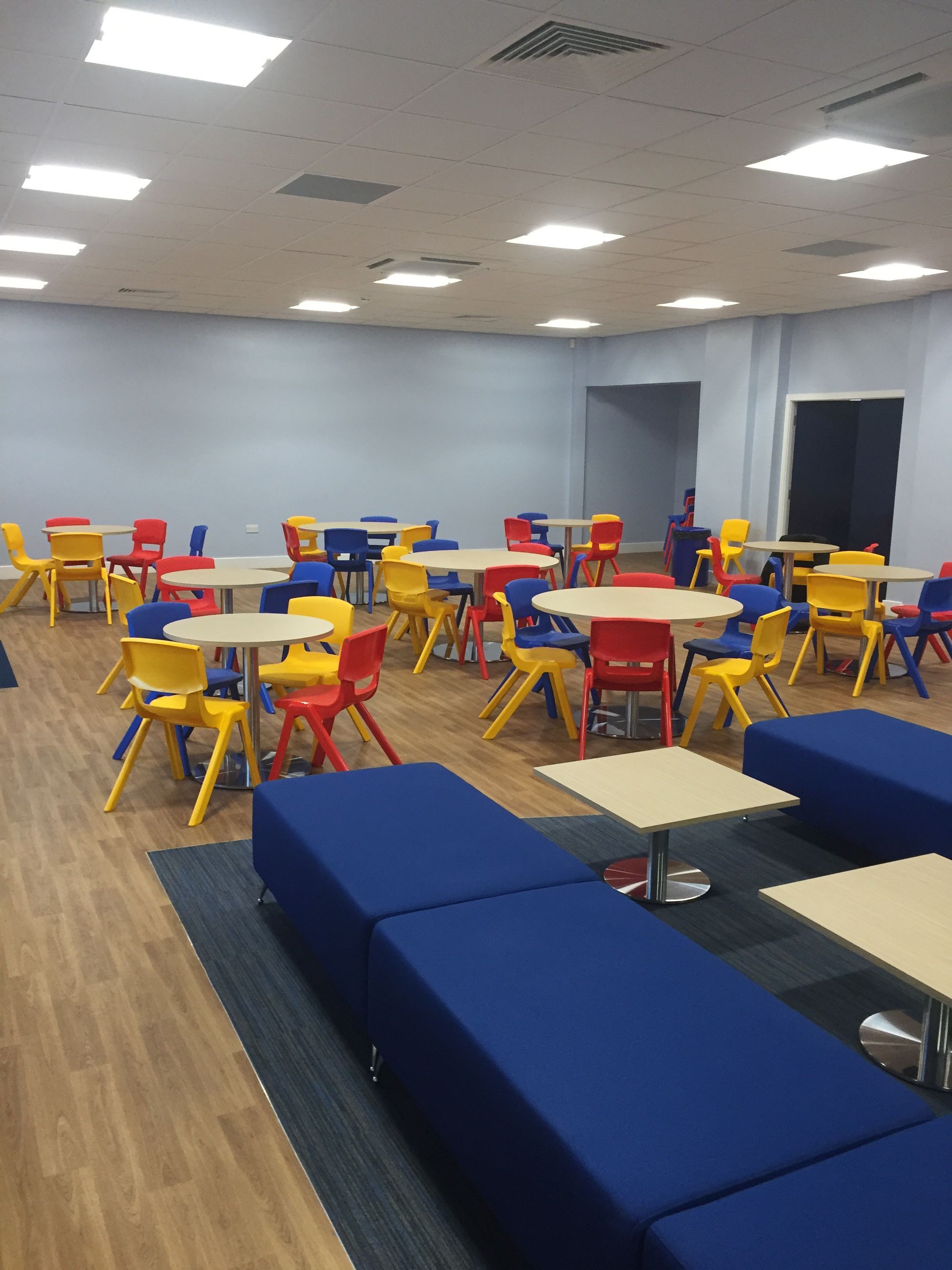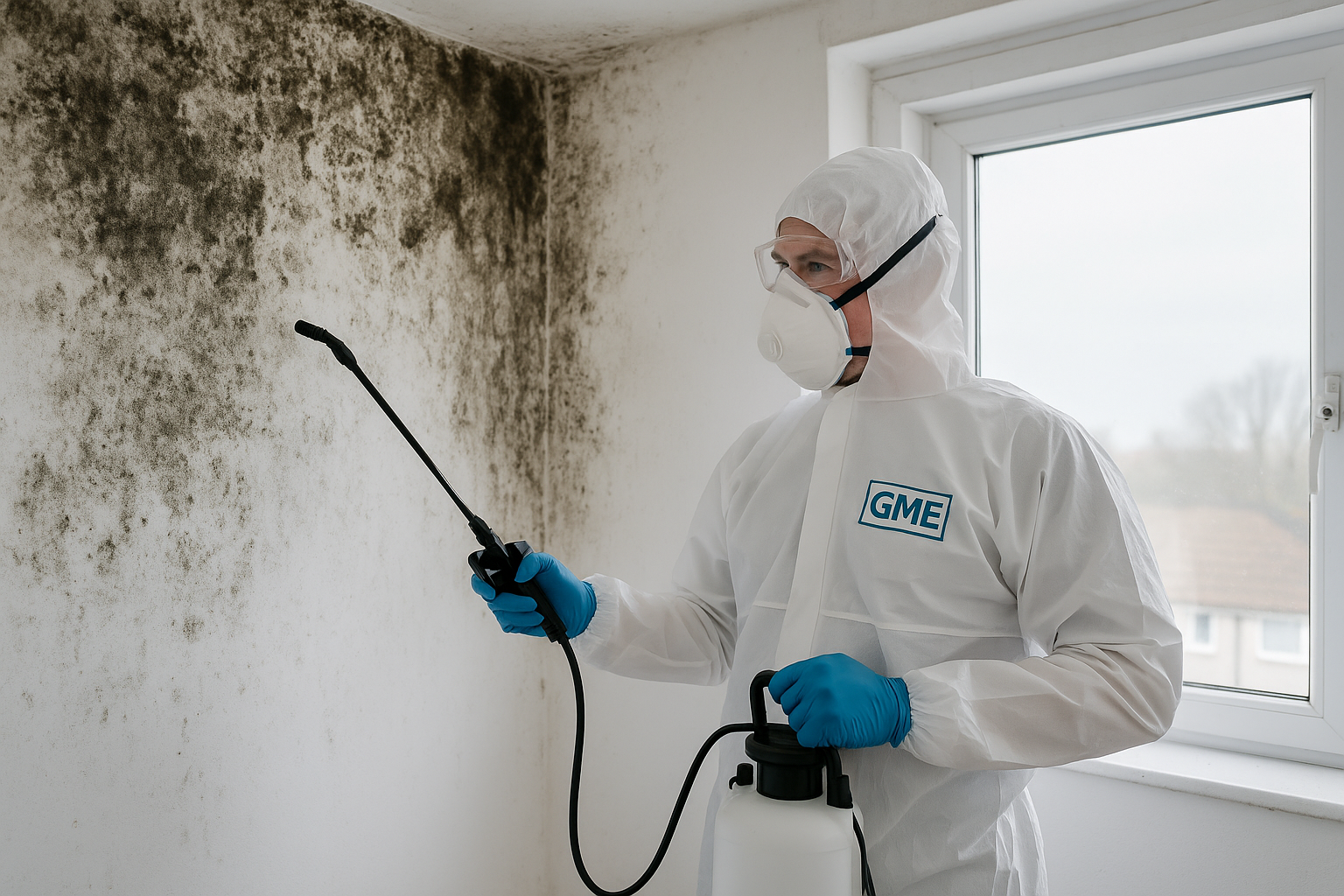
Anyone responsible for a hotel estate knows the problem with treating decorating as a one-off project.
Hotels don’t pause for long enough to make that approach comfortable. Your guests keep arriving, standards have to stay consistent and every tired corridor or scuffed bedroom wall is being judged in real time.
That matters even more in a market where performance has remained resilient but margins are under pressure. PwC's latest hotels forecast points to a sector that continues to hold up, but one still facing persistent cost pressures and tighter margins. RSM's latest UK hotel tracker tells a similar story, with ADR and RevPAR edging up while gross operating profit comes under pressure.
In that environment, the way you manage property spend matters just as much as the amount you spend.
A single large redecoration project can sound decisive, but in a building that never really closes, it often creates avoidable operational problems. Too many rooms or floors come out of revenue at the same time, disruption spreads across multiple areas and the up-front cost has to be justified in a single budget cycle.
A rolling programme changes that. Cost is spread more sensibly across the year, and work can be planned around quieter trading periods, floor by floor and property by property.
It also creates better decision-making. The most visible and worn areas can be dealt with first, while less urgent works are phased in behind them.
In practice, that often means separating the estate into four broad categories: immediate defects in guest-facing areas, short-term refresh works, cyclical redecoration and larger brand-led updates.
Not every room, corridor or reception area ages at the same pace. A city-centre business hotel and a country house wedding venue wear differently even under the same flag, and the programme should reflect that.
For branded hotels, refurbishment expectations are often shaped by franchise requirements, renovation cycles and property improvement plans.
A rolling programme helps operators stay ahead of that curve rather than waiting for a brand-standard issue, a guest satisfaction problem or a larger refurbishment requirement to force the spend.
This approach works best when it reflects the reality of a live hotel. Quieter trading periods, operational constraints and brand expectations all shape the sequence, and the programme needs to flex around them.
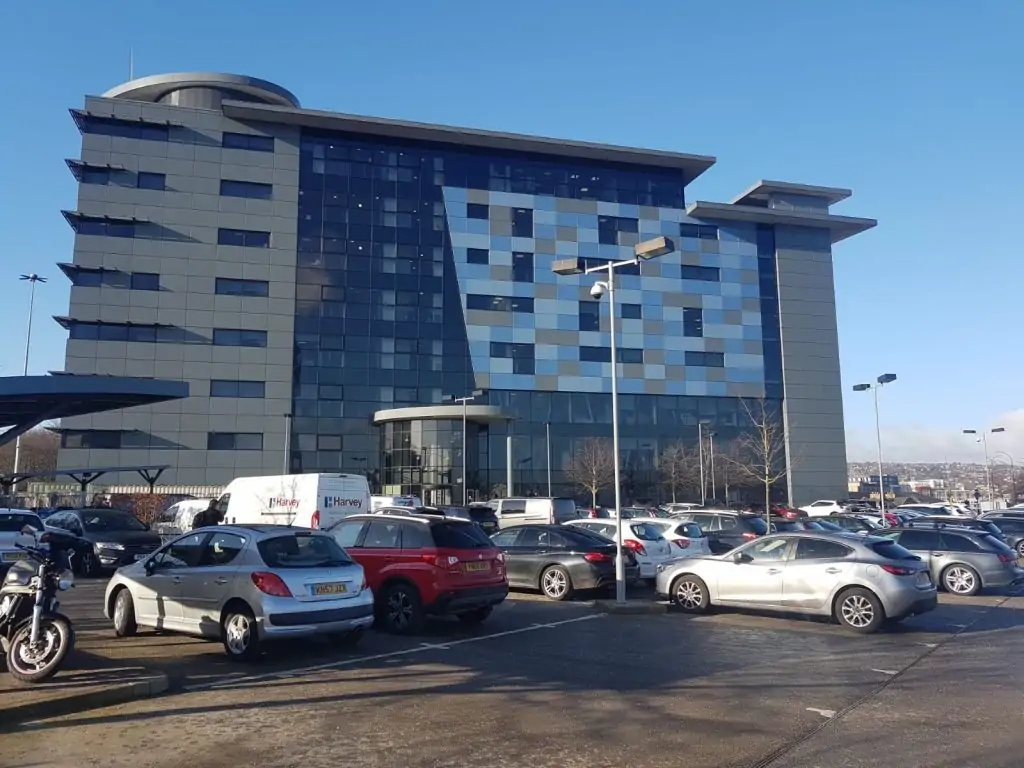
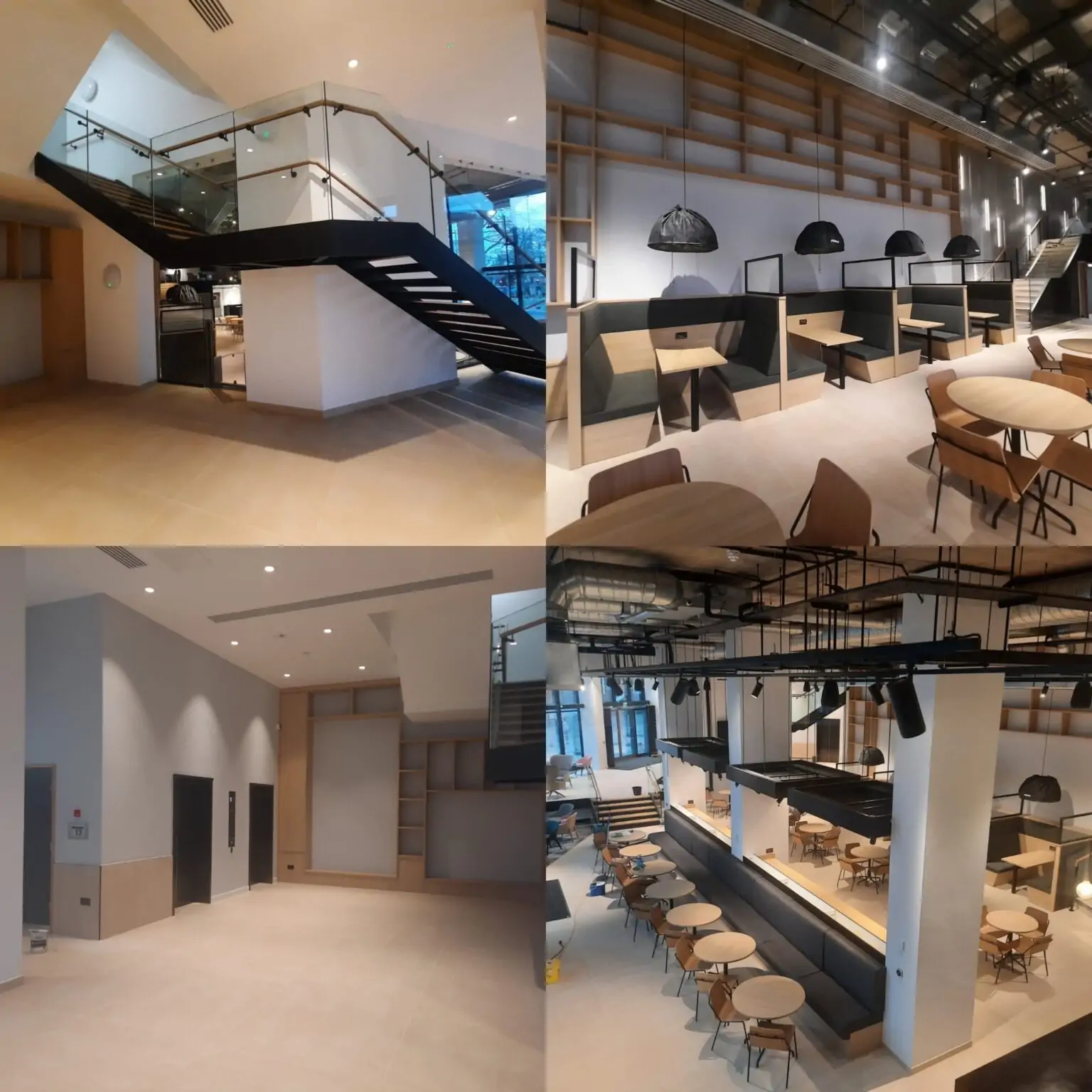
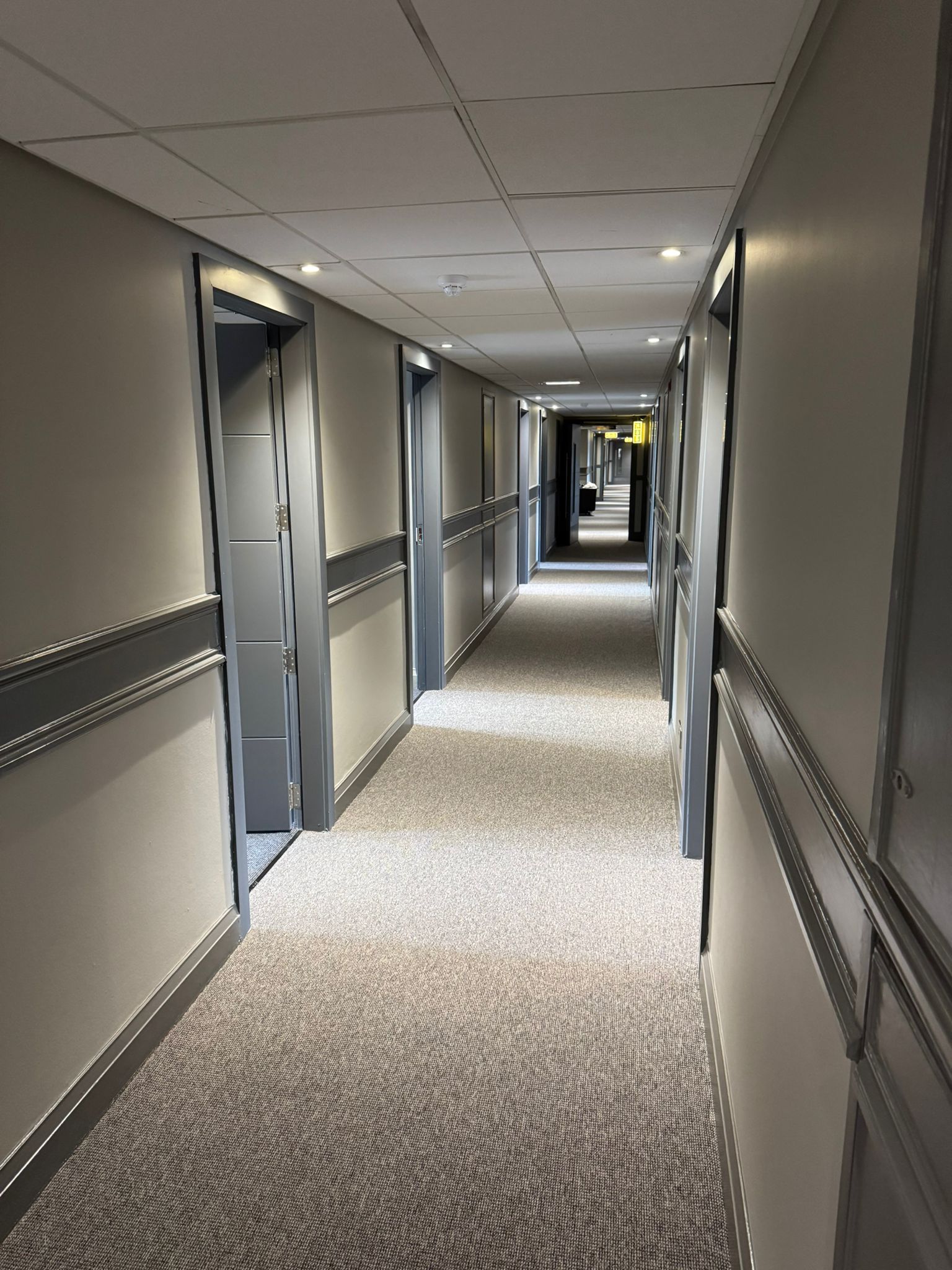
At DoubleTree by Hilton Hotel Leeds City Centre, we delivered a year-long phased decoration programme as part of a live refurbishment. Two floors came out of service at a time, were decorated in sequence, then handed back for furniture and fit-out before the next phase began. Getting the painting finished was only part of the job. Keeping the wider programme moving mattered just as much, along with maintaining consistency from phase to phase and making sure decoration happened at the right point in the sequence.
You can see that approach in practice in our DoubleTree case study.
At Village Hotels in Leeds North and the Wirral, the commercial challenge was slightly different but the principle was the same.
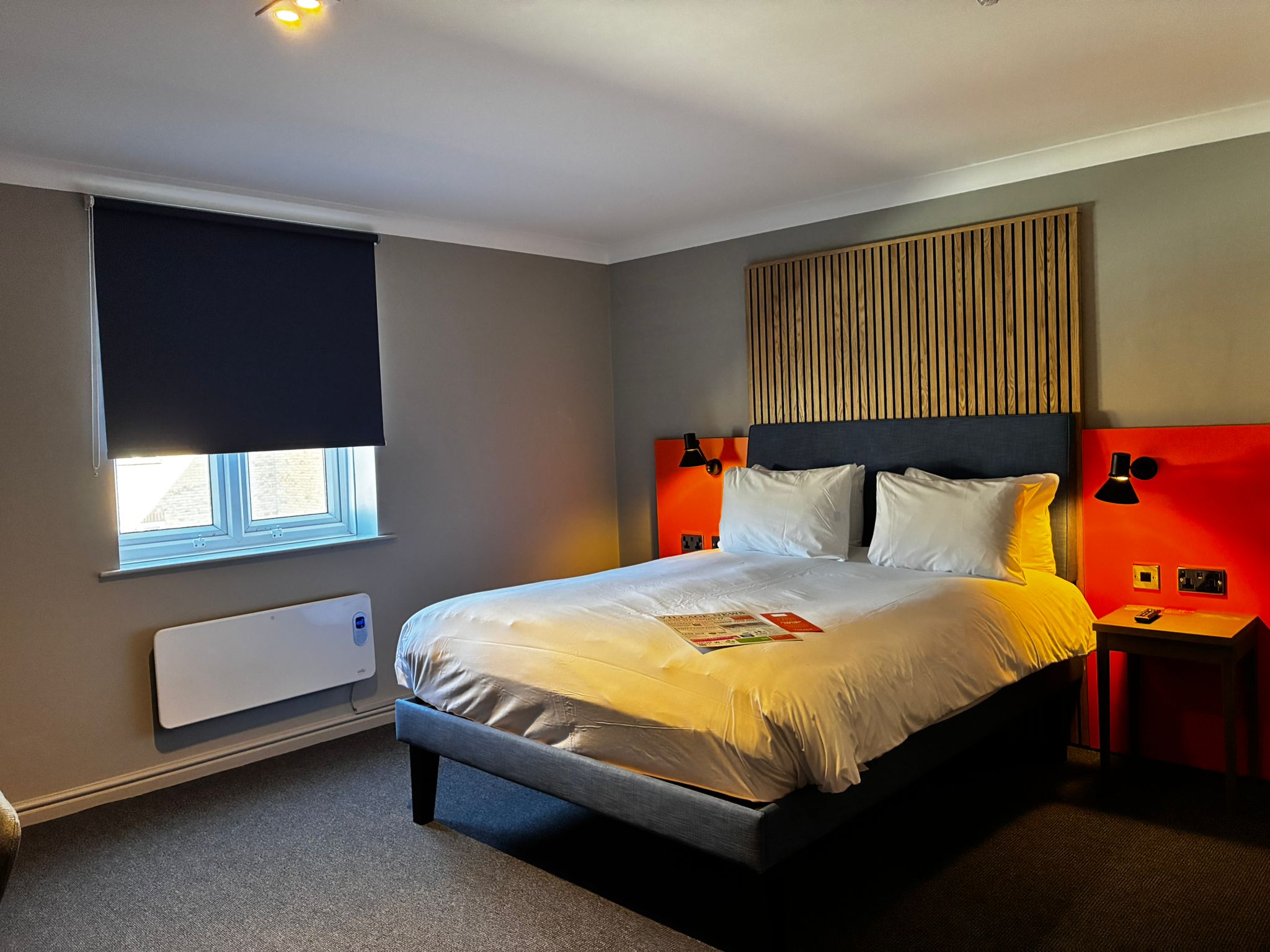
Across 99 bedrooms, the hotels released around 25 rooms at a time rather than shutting larger sections all at once. That allowed decoration to move forward in controlled phases while protecting room availability as far as the programme allowed.
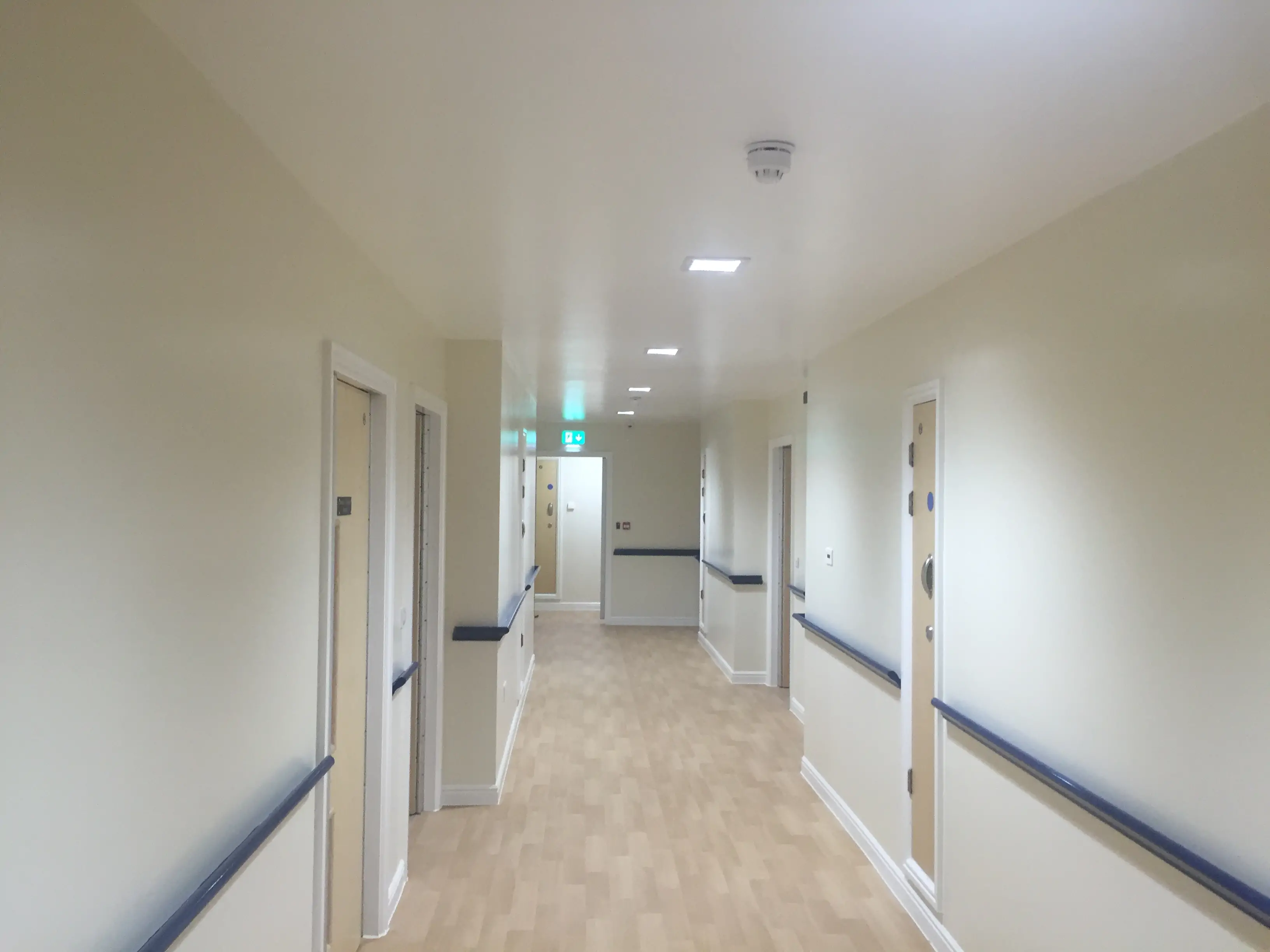
Corridors, staircases and back-of-house areas were progressed in between bedroom blocks so labour kept moving and the wider refurbishment stayed on track.
You can see that phased model in our Village Hotels case study. That’s what a year-round rolling programme looks like in practice: coordinated delivery built around live trading conditions.
There’s also a wider commercial benefit in working with one contractor across the estate.
One contractor learns your brand palette, your operational constraints and the difference between what matters in a bedroom, what matters in reception and what can wait in a back-of-house corridor.
That creates a single line of accountability for head office, more predictable delivery for site teams and consistency that’s easier to protect across multiple properties.
Over time, that knowledge becomes more valuable. You start to see which room types wear fastest, which public areas date quickest, where a more durable specification will pay back and which properties need cosmetic work versus something more substantial.
That kind of insight is difficult to build when every project goes to a different supplier.
It also helps avoid over-correction. Without a plan, the tendency is to let standards slip and then spend heavily when the problem becomes too visible to ignore.
A measured rolling programme keeps the estate presentable without defaulting to major refurbishment spend where it’s not needed.
For hotel operators, decorating is rarely just a maintenance issue. It sits somewhere between brand standards, guest perception, operational practicality and commercial control.
That’s why a rolling programme makes sense. It gives you a clearer view of what needs doing, when it needs doing and how to keep standards up without creating unnecessary disruption or avoidable revenue loss.
If you would like a phased decoration programme mapped out for your hotel or group, fill in the form below and we can arrange to walk your property, assess what needs doing and propose a phased programme that fits your budget and calendar.

Mr Samuel David Peel, trading as CP Business Finance (FRN: 1034961), is an appointed representative of White Rose Finance Group Limited (FRN: 630772), which is directly authorised and regulated by the Financial Conduct Authority. CP Business Finance acts as a credit broker, not a lender. Please consider borrowing decisions carefully — property or other assets offered as security may be at risk if you cannot keep up with repayments.