Every winter, the damp and mould reports climb from late October and keep coming until spring. It's condensation, and it's predictable enough to plan for.
The pattern doesn't change. The clocks go back, the heating goes on, the windows stay shut... and within a few weeks the reports start climbing.
Once you understand why, it stops being a surprise every year.
An ordinary household puts up to 23 pints of water vapour into the air every day, roughly 13 litres. Here's where most of it comes from:
In summer, most of that leaves through open windows. In winter, it stays in.
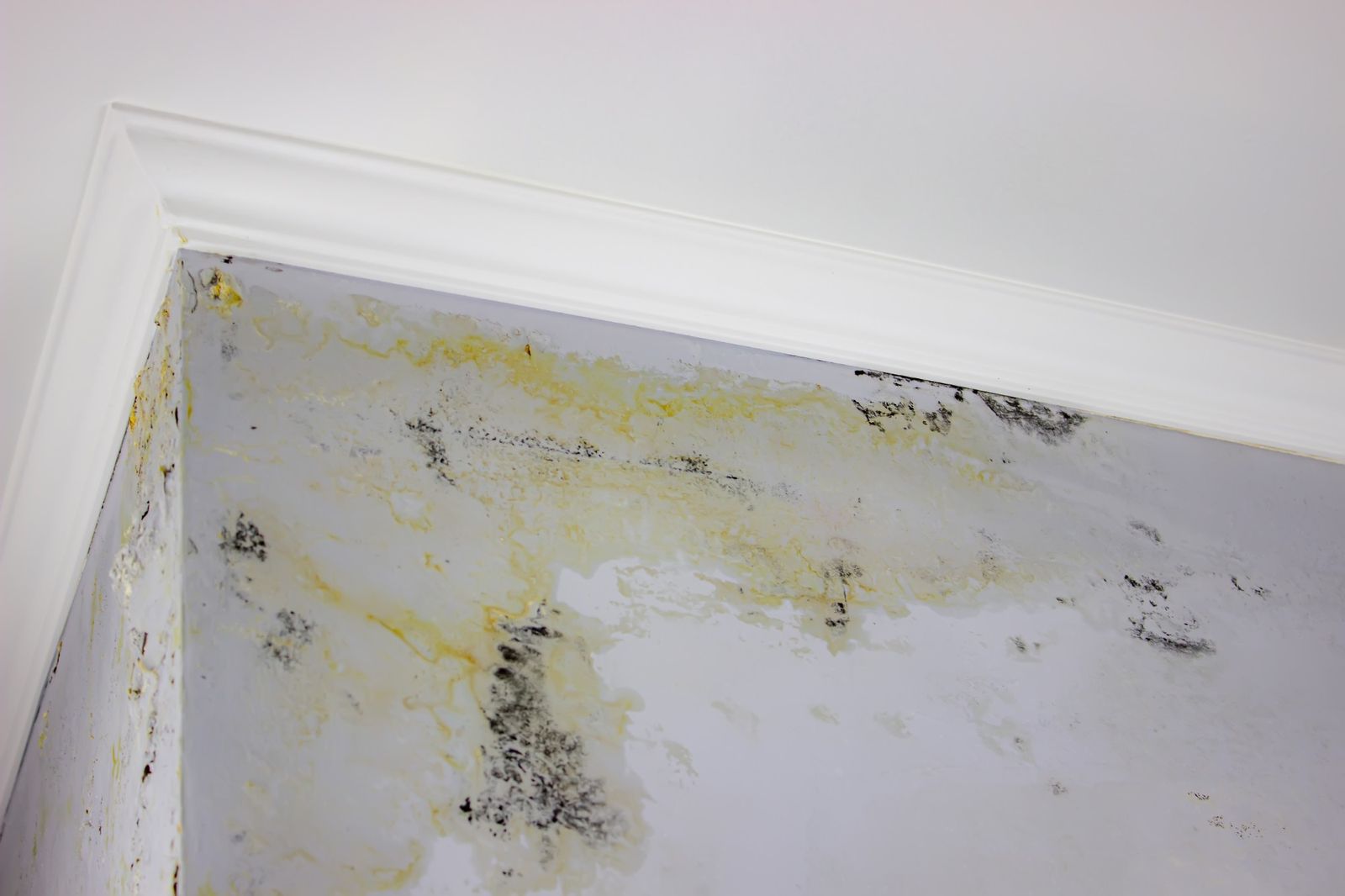
Warm air holds more moisture than cold air. When warm, moist air meets a cold surface, it gives up its water.
That's why condensation forms on external walls, window reveals, the backs of wardrobes pushed against outside walls and the corners of rooms where the air doesn't move. Keep a surface damp for long enough and mould grows.
It's also why winter reports cluster in the same places every year: bedrooms and bathrooms, behind furniture and on the coldest walls.
From 30 November, excess cold becomes a hazard in its own right under Awaab's Law Phase 2, so the two are worth investigating together. A wall that's cold enough to grow mould could easily point to an excess cold hazard in the same room.
It's tempting to send tenants advice about opening windows and call it done. It isn't enough.
The government's guidance on damp and mould is clear that problems shouldn't be put down to tenants' lifestyle, and under Awaab's Law that position carries real risk.
Most tenants can't dry washing outside in December. They can't afford to heat rooms they aren't using, and they didn't choose where the extractor went. The building has to cope with normal life, not the other way round.
Condensation is a building problem, and it needs building fixes. All of these cut the moisture that settles:
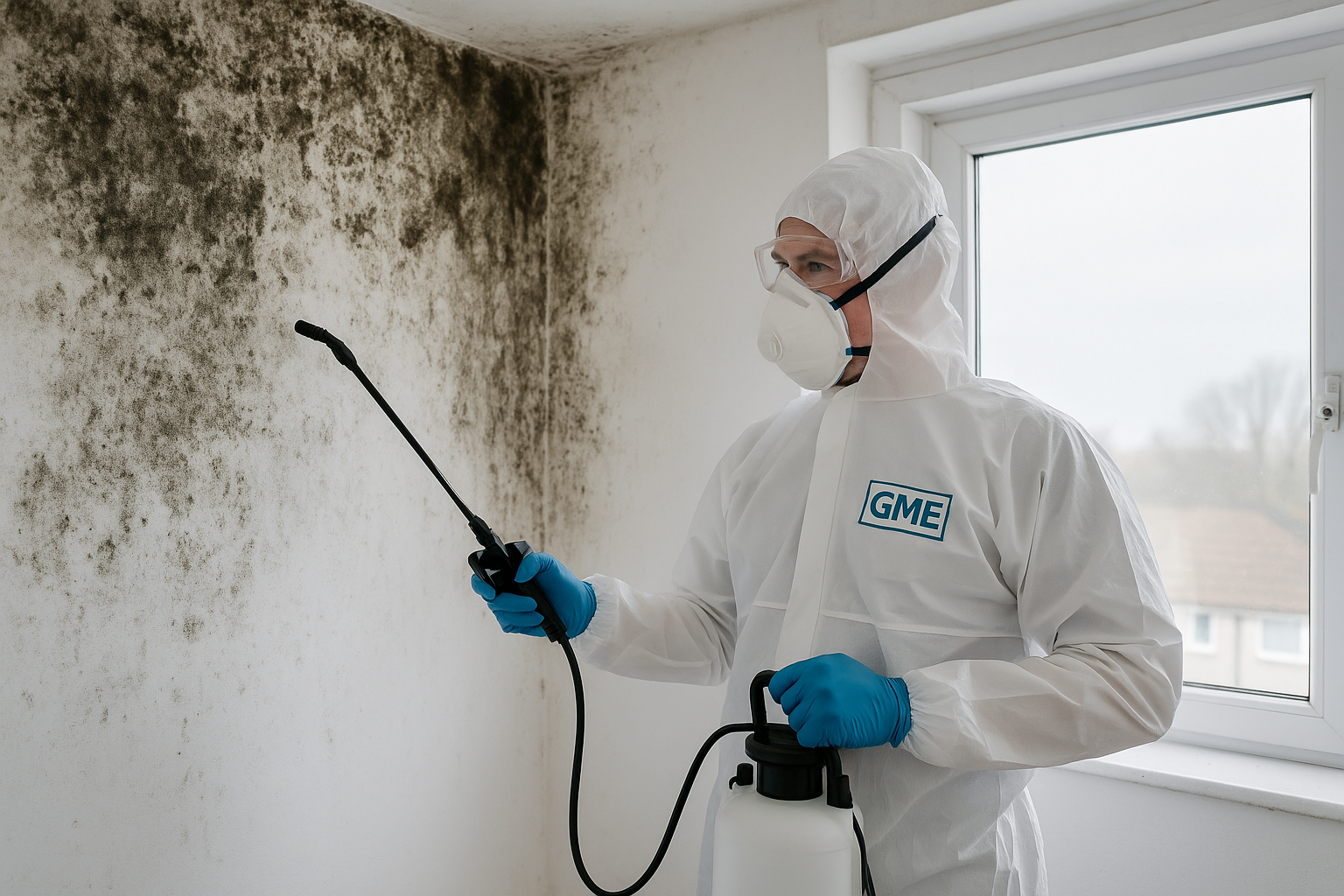
Our loft and ventilation team installs whole-house ventilation, upgrades roof ventilation and insulates lofts. Our mould eradication team treats the mould and puts prevention in place.
We always survey first, because the fix for one property isn't the fix for the next.
Because winter demand is predictable, the landlords who cope best don't wait for it. They book capacity before the reports start and use last winter's reports to target the worst stock first.
We work with housing associations and local authorities across the social housing sector, and we're happy to talk through what your winter programme needs.
Planning for this winter's mould reports? Call us on 01924 723723, email enquiries@gmegroup.co.uk or get in touch here and we'll get back to you.
Planning for this winter's mould reports? Get in touch with GME Group and we'll talk through ventilation, insulation and mould treatment across your stock.
01924 723723Get a quotePlanning for this winter's mould reports? Get in touch with GME Group and we'll talk through ventilation, insulation and mould treatment across your stock.
01924 723723Get a quote
Flexible commercial finance for your project, with fast decisions and expert support.
Mr Samuel David Peel, trading as CP Business Finance (FRN: 1034961), is an appointed representative of White Rose Finance Group Limited (FRN: 630772), which is directly authorised and regulated by the Financial Conduct Authority. CP Business Finance acts as a credit broker, not a lender. Please consider borrowing decisions carefully — property or other assets offered as security may be at risk if you cannot keep up with repayments.